Skip to Content

Return to blog

From 17.04.2025, approved plug & play devices may be connected in Belgium


Logo of Synergrid, organisation of Belgian grid operators that approves plug & play solar panels and home batteries according to C10/11 and C10/26 regulations.
→ From 17.04.2025, approved plug & play devices may be connected in Belgium

On 17 October 2024, a new version (edition 2.3) of the technical regulation C10/11 was published by Synergrid, the Belgian organisation of grid operators.

The biggest change? Plug & play devices no longer need to be permanently connected to the electricity grid.

Thanks to this adjustment, balcony solar panels, small plug-in home batteries and other mobile energy systems (such as chargers for electric cars or generators for events) can now be used more easily – simply via a standard socket.

From 17 October 2024 manufacturers can a Synergrid C10/26 homologation applications for their plug & play devices. From 17 April 2025 these may be officially connected to the electrical installation at home. officieel aangesloten worden op de elektrische installatie thuis.

Source: Synergrid – technical specification C10/11 (edition 2.3), published on 17/10/2024.
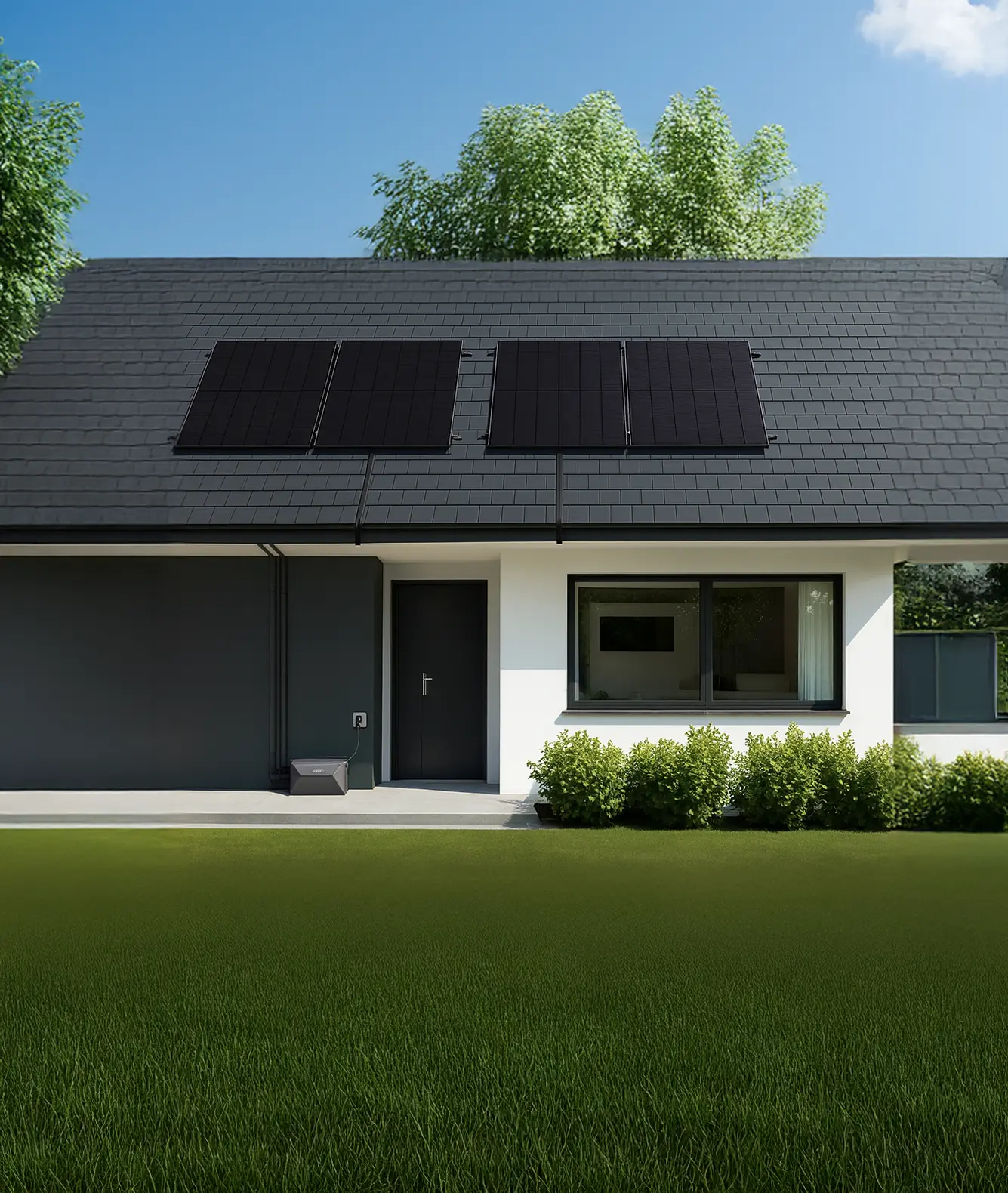
Home with plug & play solar panels on the roof and in the garden, plug-and-play solar energy systems connected to a socket according to Belgian Synergrid standards.


→ Amendment of regulation C10/11: simpler connection for plug & play devices

In October 2024, the technical specification C10/11 (version 2.3) was amended. Since then, it is no longer mandatory to connect plug & play devices directly to the electricity grid.

This means that balcony solar panels, small home batteries with plugs, and even mobile charging or energy systems (such as chargers for electric cars or generators for events) can now be used more easily — simply via a standard socket.

Source: Synergrid – technical specification C10/11, publication 17/10/2024. 


plug-and-play solar panels sustainable


→ Key data

On 17 October 2024 Synergrid published amendment 2.2 of the technical specification C10/11 van het technisch voorschrift C10/11, that regulates the connection of decentralised production installations such as plug & play devices. It concerns compact energy solutions such as plug-and-play solar panels, plug-and-play batteries and other plug-in systems that work easily via a power socket.

From that date, manufacturers can apply for a C10/26 homologation for their plug & play solar energy systems or plug-in batteries. The existing C10/26 certification procedure is now also officially applicable to these devices.

On 17 April 2025 the new regulation will come fully into effect. From then on, C10/26 certified plug-in solar panels and plug & play home batteries may be legally connected to an electrical installation, without fixed wiring. For the registration procedure and additional rules, Synergrid refers to the website of your network operator (such as Fluvius, Sibelga or Ores).

Source: Synergrid – Technical regulation C10/11 (amendment 2.2), published on 17/10/2024.

→  Plug & play devices: Points of attention for users
Special rules for plug & play systems with plugs:
  • For plug & play systems – such as plug-in solar panels, plug-in home batteries or balcony PV installations – there are a number of specific rules.

  • According to the AREI (General Regulation on Electrical Installations), these devices are considered mobile products. This means they can be connected to your electrical installation via a standard socket just like any other household appliance. Therefore, you do not need to have an inspection or conformity check carried out before use. However, the ultimate responsibility lies with the owner or user: they must ensure that the connection is made safely and that the electrical installation is suitable for the additional power of the plug-and-play solar panels or batteries.

  • In addition, all plug & play devices must comply with the European safety standards, including the CE marking and the EU declaration of conformity. The provisions of the AREI regarding electrical equipment also remain applicable. Always follow the instructions for use and safety regulations from the manufacturer to ensure a safe installation.

  • The technical regulation C10/11 pertains to the safety and stability of the electricity grid, but not on the user's internal installation. For your own safety, it is therefore important to carefully follow the manufacturer's instructions and avoid dangerous situations.

  • Finally, there may be other rules or restrictions that apply, depending on your situation. If you live in an apartment, check with the Association of Co-Owners (VME). In rental properties permission from the landlord is often required, and for balcony panels it may be useful to consult your local authority or insurer. This way, you can be sure that your plug-and-play solar energy system is completely safe, legal, and insured.